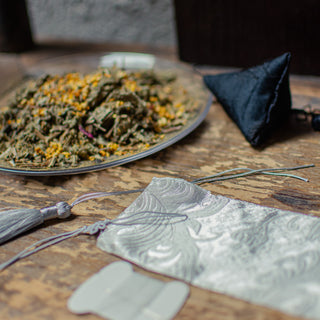
Silver Root Apothecary
Aromatic Charm Workshop
Stitch, grind, and fill your own custom aromatic charm, a traditional Chinese Xiang Nang (香囊) with centuries of history in aromatherapy, protection, and personal adornment. Once worn by scholars and nobles as both wellness tool and fashion accessory, these fragrant charms are making a quiet return.
60 minutes
Available for up to 4 guests at a time.
Email hello@113spring.com for larger group bookings or host a private event.
Details
How It Works
What Makes This Unique
The Science

Ammortal
The Recalibration Room
Five integrated modalities. Three session lengths. One zero-gravity chamber making its debut at 113 Spring.The Pulse - 15...
$65
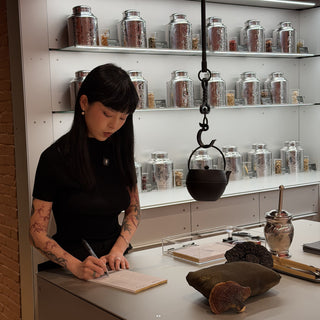
Silver Root Apothecary
Energy Mapping
In Chinese herbal tradition, energy has texture, direction, and season. This one-on-one session at The Qi Bar brings...
$155
Silver Root Apothecary
Energy Mapping Follow Up
In Chinese herbal tradition, energy has texture, direction, and season. Your follow-up session at The Qi Bar picks...
$65
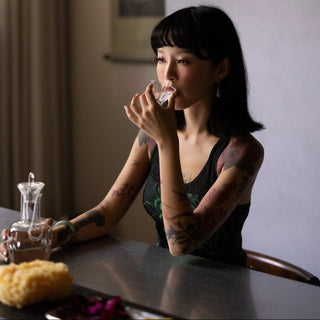
Silver Root Apothecary
Custom Blend Organic Herbal Tea
A pot of freshly brewed organic herbal is tea made for you using your unique blend. Our team...
$15
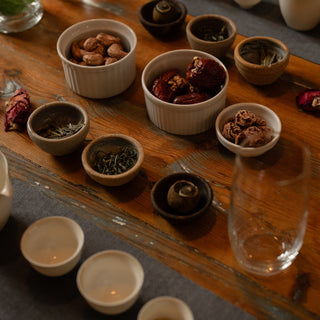
Silver Root Apothecary
Yang Sheng Tea Ritual
Yang Sheng (養生) translates to "nourishing life"—a core TCM practice of cultivating vitality through daily habits, food, and...
$95
113 SPRING NYC
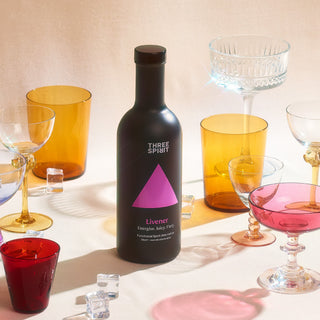
Adaptogen Service
Discover how today's most innovative brands are reimagining energy through plants, flowers, adaptogens, and functional ingredients. This guided...
$30

Ammortal
The Shift Package
For guests who want more time in the restorative state, deeper integration, longer recovery, or simply more stillness....
$285

113 SPRING NYC
The Immersion Package
For guests who want more time in the restorative state, deeper integration, longer recovery, or simply more stillness....
$485


Backed by Experts
Our curation is guided by an internal advisory board of doctors and scientists, alongside a trusted network of practitioners, researchers, and specialists who help ensure every offering is thoughtful, credible, and evidence-based.